Who can apply

Who can apply for the EB-3 program.

Applying for EB-3 is a big step for you and for the family that comes with you. Before you book a call, take a few minutes to read who can apply, who travels with you, and what could disqualify you. We'd rather you know up front than find out months later. Final EB-3 visa eligibility is decided by U.S. government authorities, not by us.
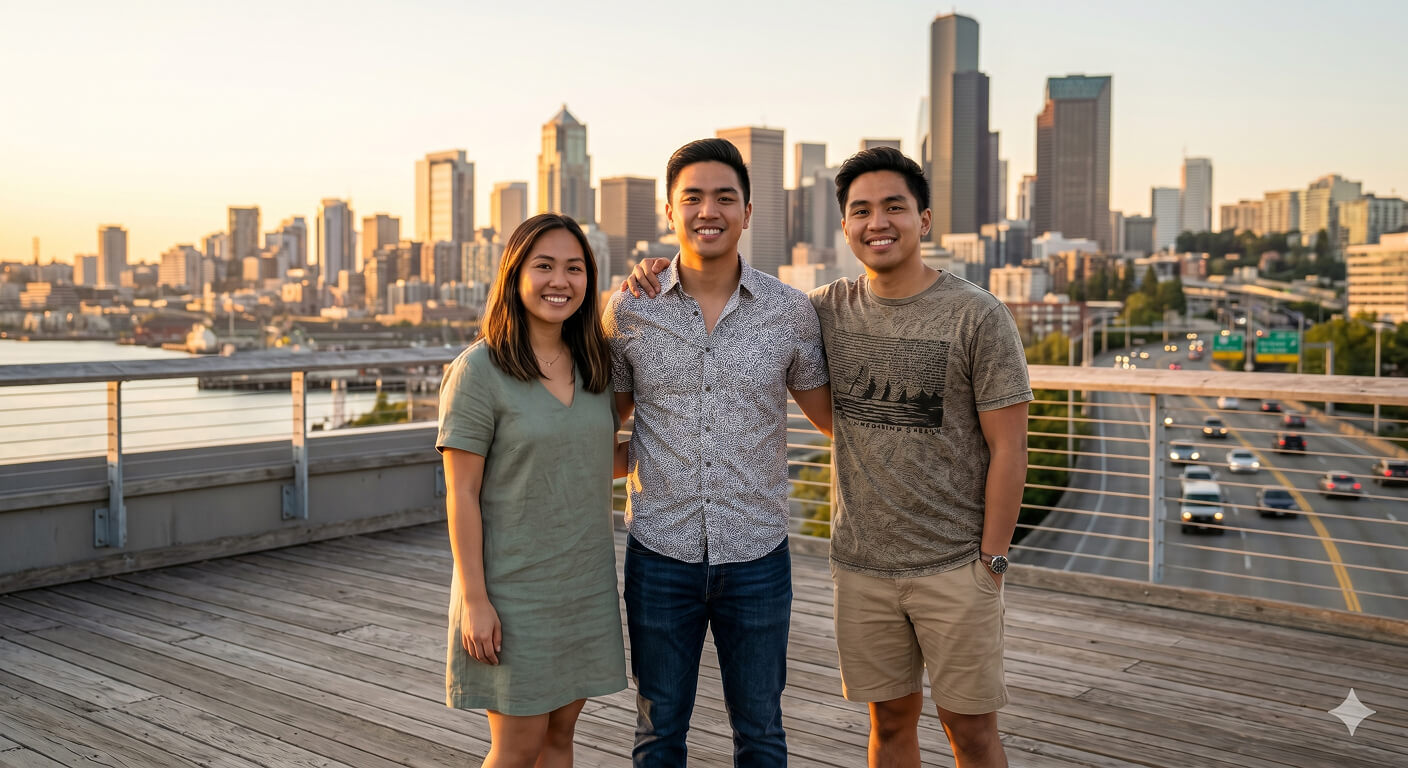
A U.S. city skyline — one of the cities where the EB-3 program hires.
Program requirements

Most Solutions accepts candidates who meet all of the following.

These are our program's intake criteria. Meeting them does not guarantee EB-3 approval — that decision belongs to USCIS and the U.S. Department of State. But not meeting them means the program isn't right for you right now.

Nationality

Filipino citizen, currently in the Philippines

Currently for Filipino candidates applying from the Philippines. Other nationalities, or applicants already inside the U.S., should consult an immigration attorney directly.

Age

At least 21 years old

No upper age limit. You must be physically able to do the role you're matched to.

Language

Functional English

You don't need to be fluent. You do need to understand workplace instructions and handle the consular interview in English. The eligibility call is in English.

Work scope

Willing to take entry-level, non-medical roles

Our network covers hospitality (front of house and back of house), warehouse, greenhouse, and light industrial roles. If you only want specialized or professional work, the program isn't a fit.

Immigration history

No prior U.S. visa denials or removals that would block a new petition

Past denials or overstays don't automatically disqualify you, but they must be disclosed up front. Hiding immigration history is the fastest way to lose a case.

Availability

Able to relocate when your case becomes current

EB-3 from the Philippines has multi-year waits driven by the U.S. visa bulletin. You must stay available and ready to travel when your case becomes current.

Background

No serious criminal record

Minor traffic issues are usually fine. Serious convictions — violence, drug trafficking, fraud — typically bar U.S. entry. Disclose anything that could appear on a background check.

Health

Able to pass a U.S. immigration medical exam

All EB-3 applicants must pass a medical exam at a USCIS-approved physician. Some untreated conditions can delay or block a visa.

Who is on the case with you

Only your spouse and your unmarried children under 21 can be on your EB-3 case.

When your case becomes current, they travel with you. They are not separate filings — they are derivatives on your application. No one else can be added.

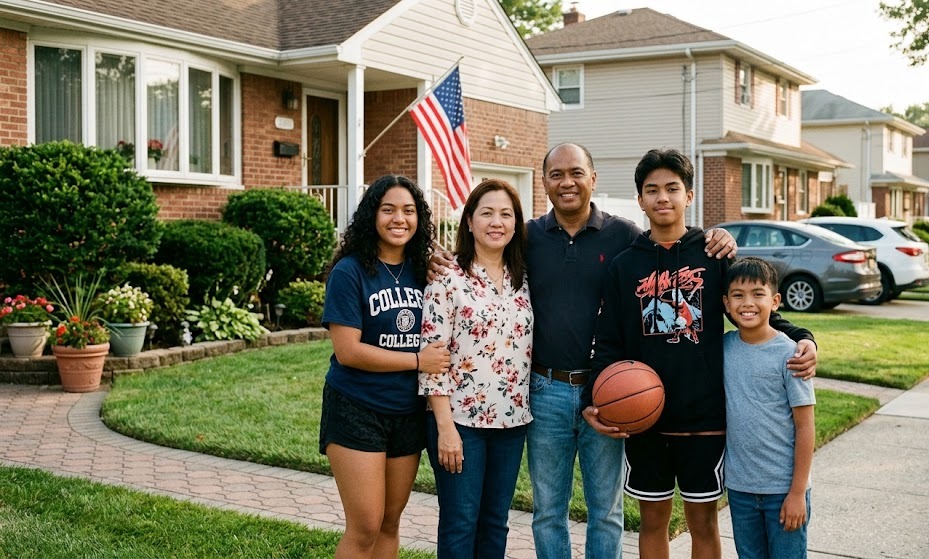
A family together at home in the U.S.
Included · spouse

Your husband or wife

Included as a derivative on your case. Travels with you when your case becomes current. Eligible for U.S. work authorization in their own right after arrival.

Included · children under 21

Unmarried children, biological or adopted

Included as derivatives. Must remain unmarried and under 21 at the time of visa issuance to qualify on your case. Children who marry or "age out" before that point follow a separate path.

After arrival · bonus

Children born in the U.S.

Any children born in the U.S. after you arrive are U.S. citizens by birthright. They are not part of your EB-3 case — they don't need to be. They are citizens automatically.

Everyone else stays in the Philippines for now. Parents, siblings, married children, and children 21 or older cannot be included on your EB-3 case. After you become a U.S. lawful permanent resident, you may be able to file separate family-based petitions for some of them — but those are different cases under different visa categories, with their own multi-year waits.
What disqualifies

Reasons the program is not a fit right now.

Some of the below are temporary — they may change with time or proper documentation. Others are hard stops. Disclose everything up front so we can route you correctly instead of starting a case that fails later.

01

Active U.S. immigration violations or pending removal proceedings

If you currently have an open U.S. immigration case, a pending removal, or an outstanding bar, you need direct counsel — not a new program enrollment — before any new petition is filed.

02

Serious criminal history that triggers an inadmissibility bar

Violent felonies, drug trafficking, fraud, and certain other convictions create permanent or long-term bars to U.S. entry. Some are waivable; many are not. Honest disclosure is required so an attorney can assess.

03

Inability to pass a U.S. immigration medical exam

Specific untreated communicable diseases (e.g., active untreated tuberculosis), incomplete required vaccinations, and a small set of other medical findings can delay or bar visa issuance. Most are treatable; some require waivers.

04

Misrepresentation in prior U.S. visa applications

Lying on prior visa applications (or in your current one) is one of the most common reasons EB-3 cases fail at consular interview, even years after filing. Past mistakes are sometimes recoverable; ongoing misrepresentation is not.

05

Unwillingness to wait through the EB-3 backlog

From the Philippines, EB-3 currently involves a multi-year wait driven by the U.S. visa bulletin. Candidates who need a U.S. job in months, not years, are not the right fit for this pathway.

What if I'm not sure whether something disqualifies me? Disclose it on the eligibility call. We route applicants with complex histories directly to immigration counsel before any enrollment, payment, or filing. The right answer for borderline cases is "let an attorney review your full record" — not a fast yes or a fast no.

Think you meet the criteria? Start with the eligibility call.

A short call to confirm fit, walk you through what comes next, and answer your questions. No payment, no commitment.

See if you qualify
Takes ~2 minutes Eligibility reviewed before any payment No commitment